Research
Research on social connection is especially crucial in an age of rising loneliness, living alone, and remote work. In some of my projects, I have used computational tools to separately study social networks, behavior over time, and behavior during conversation, with current work seeking to combine these approaches.
Publications
For an up-to-date list, see my Google Scholar page!
(** = mentee)
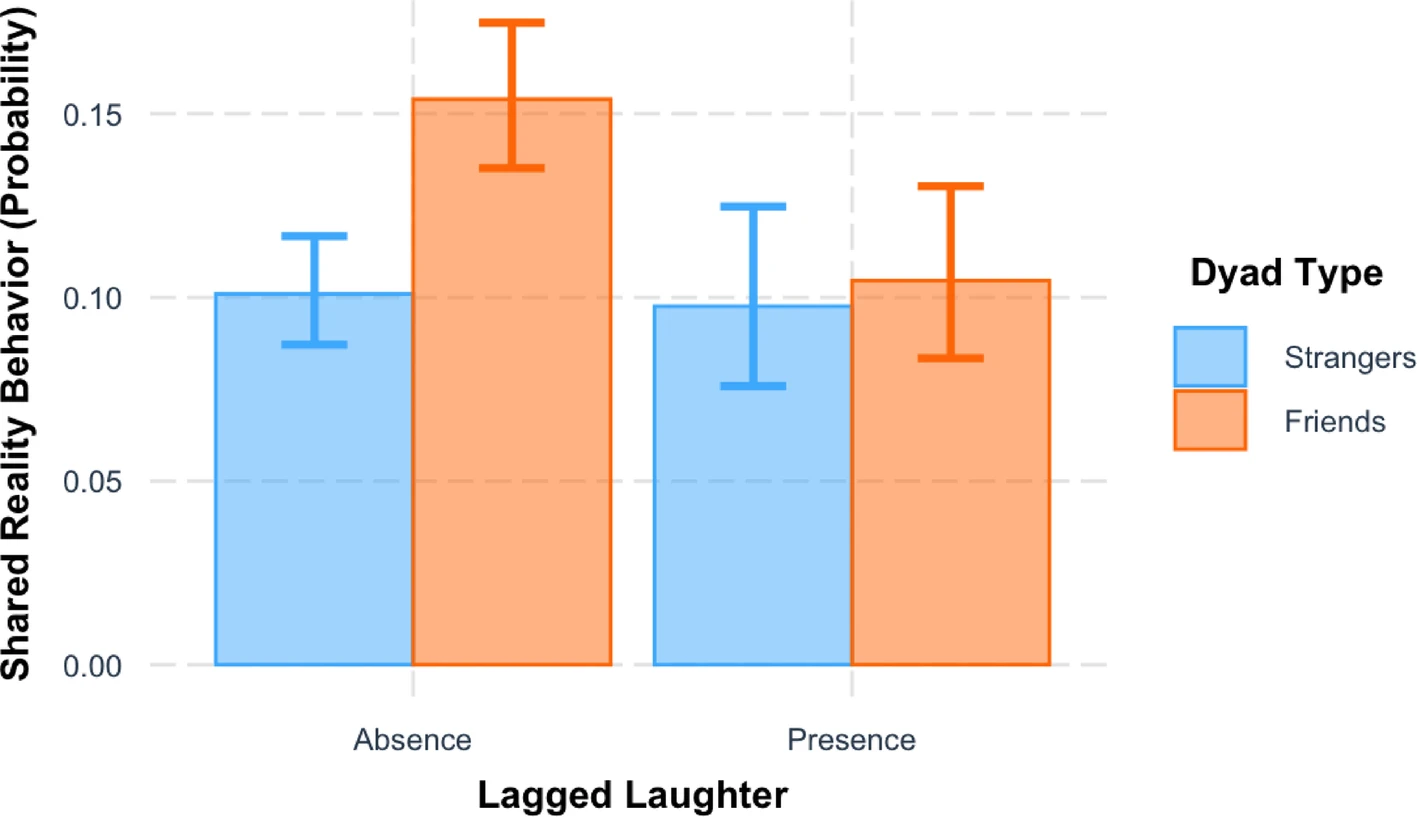
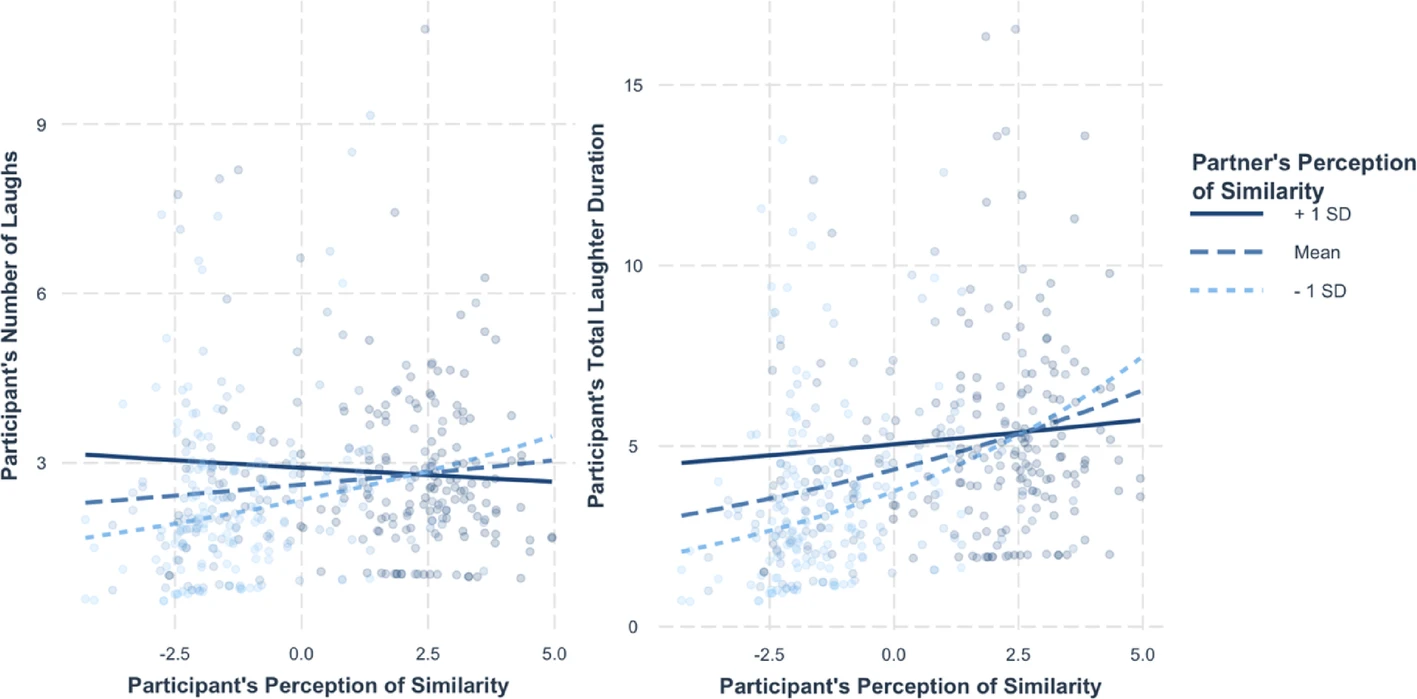
Do people laugh in conversation because they feel similar, or feel more similar because they laugh? [PDF] {OSF}
- Wood, A., Chadha, S., Liu, C., **Yuan, Q., Davis, A., Elnakouri, A., … & Boker, S. M. (2026). Laughter indicates perceived similarity among friends and strangers. Journal of Nonverbal Behavior, 1-27.
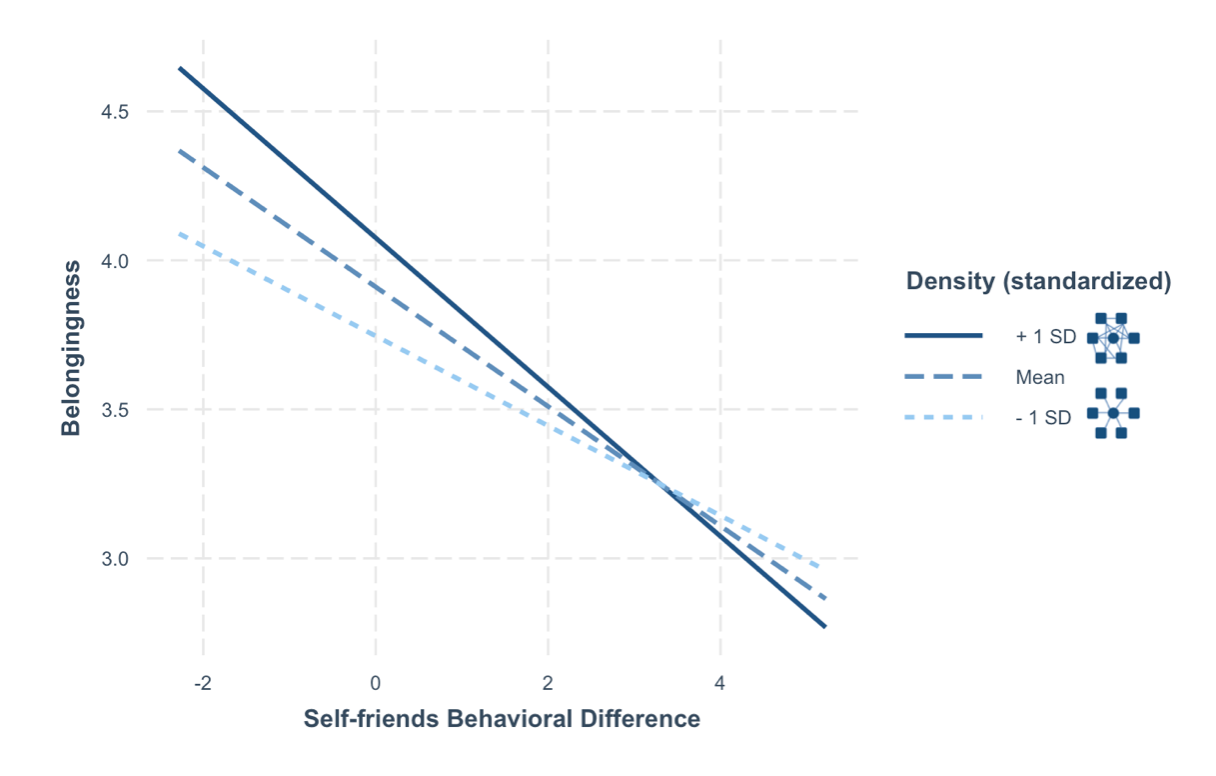
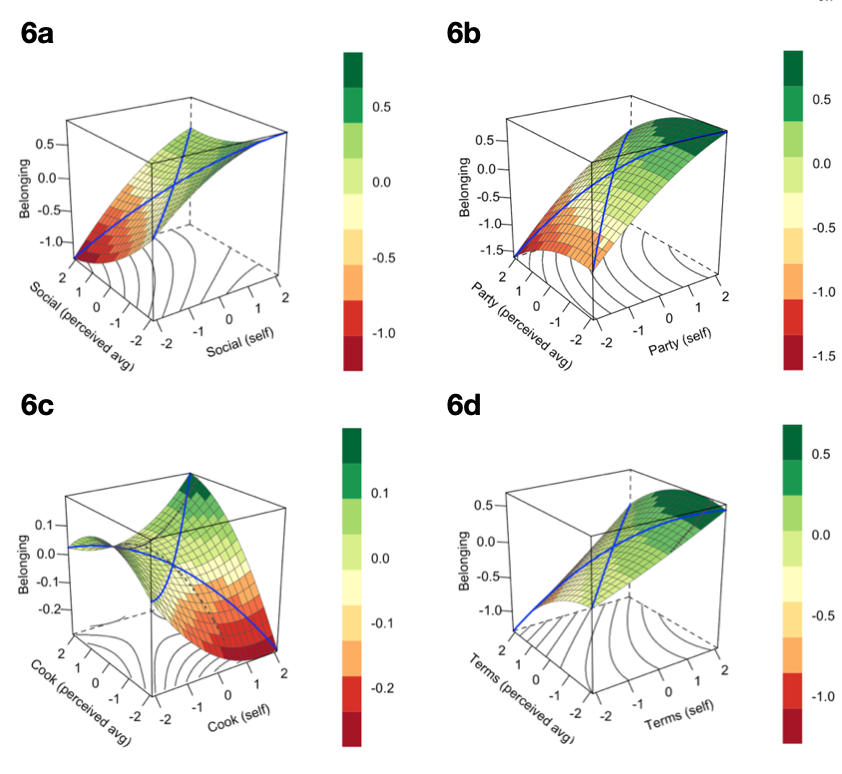
Is belonging better predicted by acting like peers or believing you act like peers? [PDF] {OSF}
- Chadha, S., **Ha, T., & Wood, A. (2024). Thinking you’re different matters more for belonging than being different. Scientific Reports, 14(1), 7574.
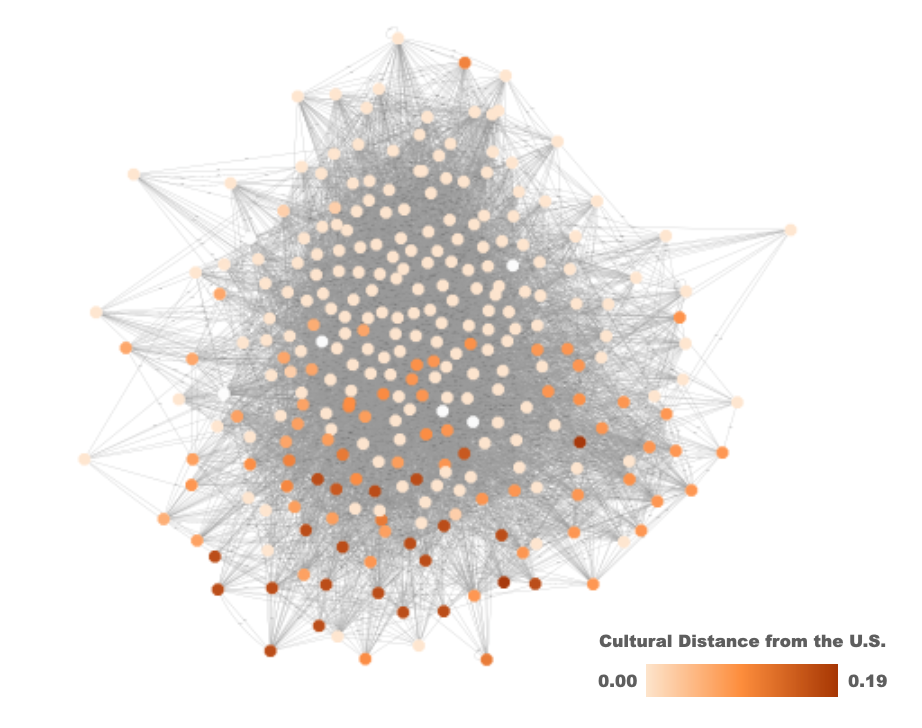
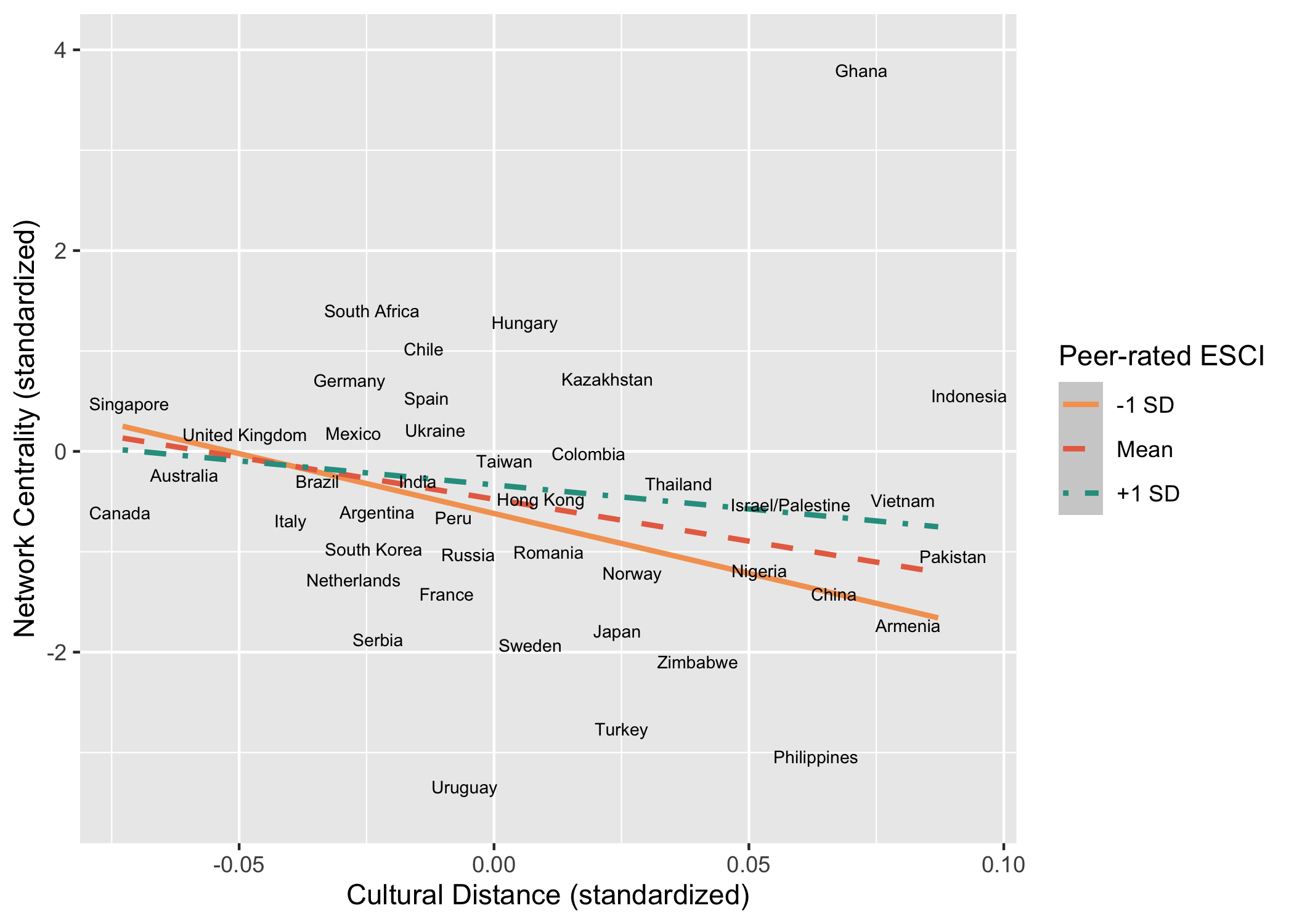
Do we see ourselves the same way others do? Does that gap in perception matter for connection to a social network? [PDF] {OSF}
- Chadha, S., Kleinbaum, A. M., & Wood, A. (2023). Social networks are shaped by culturally contingent assessments of social competence. Scientific Reports, 13(1), 7974.
Working Papers
A few of my current projects!
How can researchers best select parameters to measure synchrony?
- Boker, S., Welker, C., Wu, J., & Chadha, S. (under review) Parameter Selection for Windowed Cross Correlation to Assess Association between Psychophysiological Timeseries
Can we measure someone’s tendency to prefer time with familiar vs. unfamiliar partners?
- Tsang, S., Chadha, S., Oishi, S., & Wood, A. (under review). New Friends or Old?: Individual Differences in Social Exploration and Exploitation
Do lonely people have stricter or looser definitions of a friend? Should friends expect the same things from one another?
- Chadha, S., Rodriguez., & Wood, A. (in preparation). Lonely people expect less from their friends.